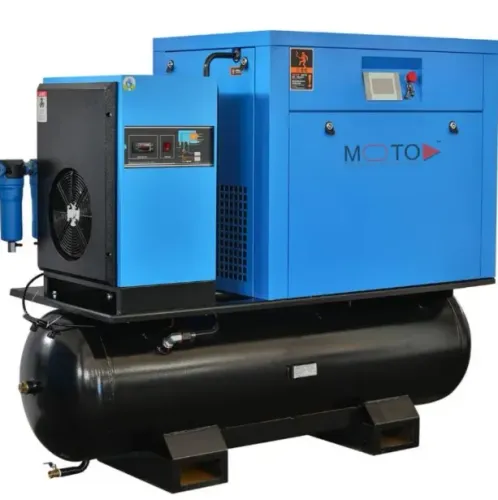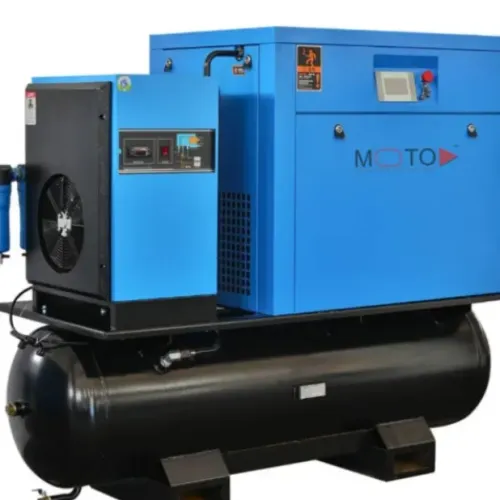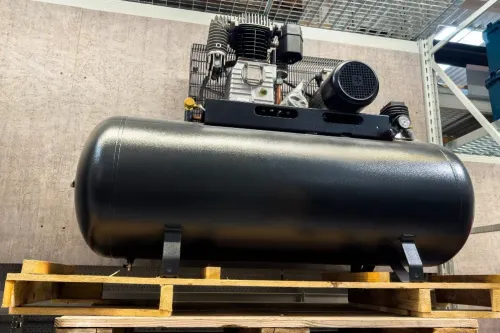


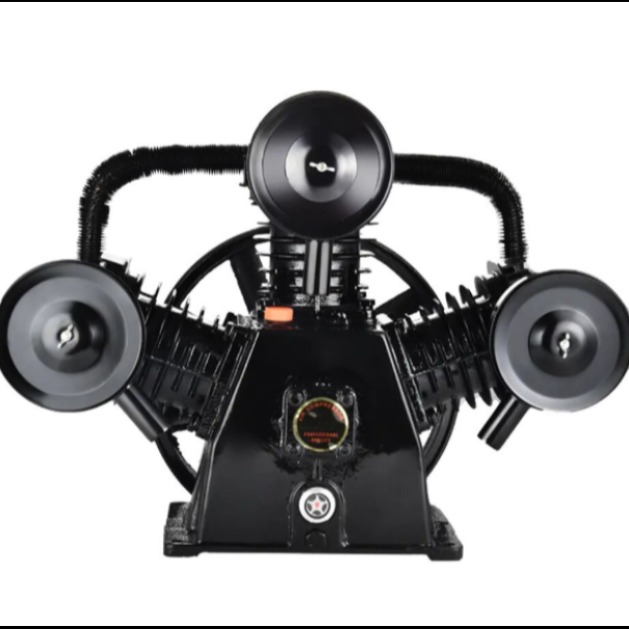
Selecting Industrial Air Compressors based only on motor horsepower can lead to disappointing results. What actually matters is whether the compressor can supply the airflow and pressure required by the facility under realistic operating conditions.
For manufacturing businesses in Ghaziabad, understanding a few basic capacity factors can prevent both undersizing and unnecessary oversizing.
Start With Airflow Requirements
Airflow is commonly expressed in CFM, or cubic feet per minute. Every pneumatic tool, machine or production process consumes a certain quantity of compressed air.
Instead of estimating demand from a single machine, list all equipment that may operate simultaneously.
For example, a plant may have:
- Pneumatic assembly tools
- CNC equipment
- Packaging machinery
- Air-operated actuators
- Cleaning stations
- Spray equipment
- Material-handling systems
The combined demand provides a more realistic starting point for compressor selection.
Pressure Is Equally Important
A compressor must deliver sufficient pressure to operate equipment reliably. However, simply increasing compressor pressure is rarely the best solution to poor performance.
Pressure can be lost through undersized pipes, clogged filters, dryers, excessive bends and long distribution networks.
Before increasing compressor discharge pressure, determine whether the real problem lies elsewhere in the compressed-air system.
Every unnecessary increase in pressure can also contribute to higher energy consumption.
Consider the Duty Cycle
Not every factory consumes compressed air in the same way.
Some facilities need continuous airflow throughout the shift. Others experience sharp demand peaks followed by periods of relatively low consumption.
Continuous applications often favour rotary screw technology, while variable-demand facilities may benefit from different control strategies or variable-speed equipment.
Understanding the duty cycle helps avoid purchasing a compressor based solely on peak demand that occurs for only a few minutes.
Plan Reasonable Future Capacity
Ghaziabad industrial businesses planning additional machinery should consider future compressed-air requirements before finalising compressor capacity.
However, future planning should remain realistic. Installing substantially more capacity than necessary can increase purchase and operating costs.
A professional air-demand assessment can identify an appropriate operating margin without excessive oversizing.
Evaluate the Complete System
Receiver capacity, dryers, filters, drains and pipeline dimensions all affect usable compressed air.
Moto Compressor can evaluate industrial requirements in Ghaziabad by considering machine demand, pressure, operating hours and system configuration before recommending a suitable compressor solution.
Industrial compressor selection is ultimately a demand-matching exercise. The most powerful compressor is not automatically the most appropriate one. A correctly sized system should provide the required CFM at the required pressure while operating efficiently across normal production conditions.
For factories in Uttar Pradesh's industrial belt, getting these fundamentals right can support reliable pneumatic equipment performance and make future compressed-air management considerably easier.