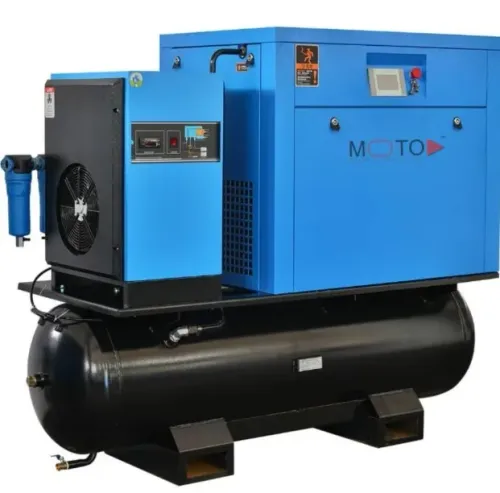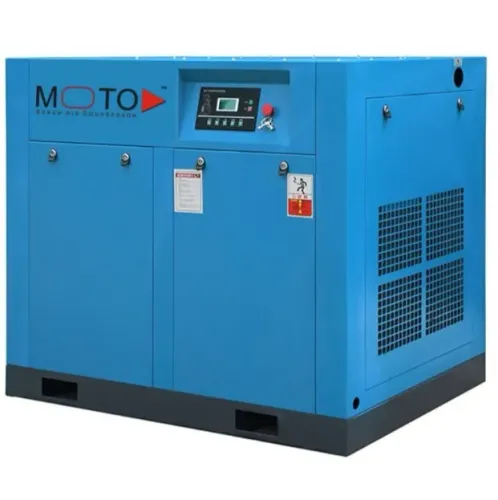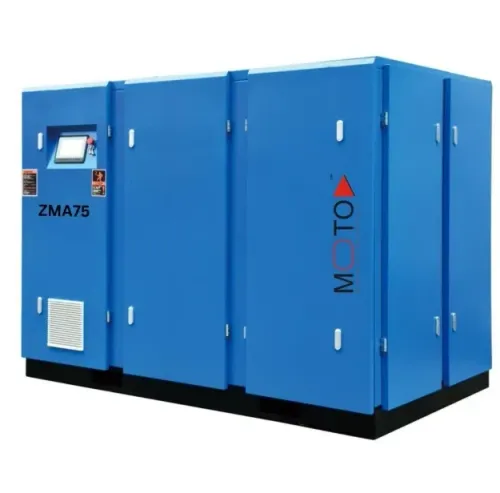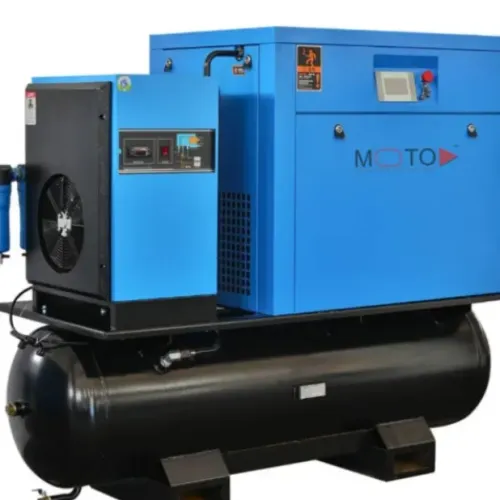
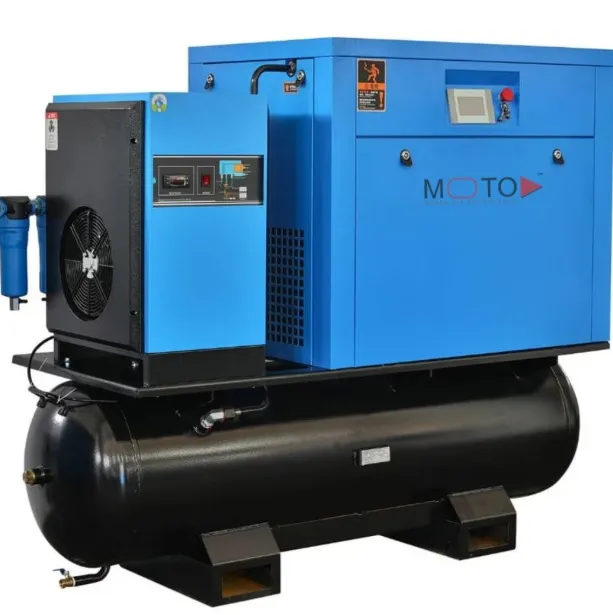
Factories that consume compressed air throughout a working shift need equipment capable of handling sustained demand. Rotary Screw Air Compressors are designed for precisely this type of industrial requirement, making them widely relevant to manufacturing, fabrication and processing facilities in Ghaziabad.
Understanding how these compressors work can help plant managers make more informed decisions when replacing an existing compressor or planning additional production capacity.
How Does a Rotary Screw Compressor Work?
A rotary screw compressor contains two precisely engineered rotors housed inside a compression chamber. As the rotors turn, air enters the chamber, becomes trapped between the rotor profiles and is progressively compressed before leaving the compressor.
Because this process is continuous, the system can deliver a comparatively steady flow of compressed air.
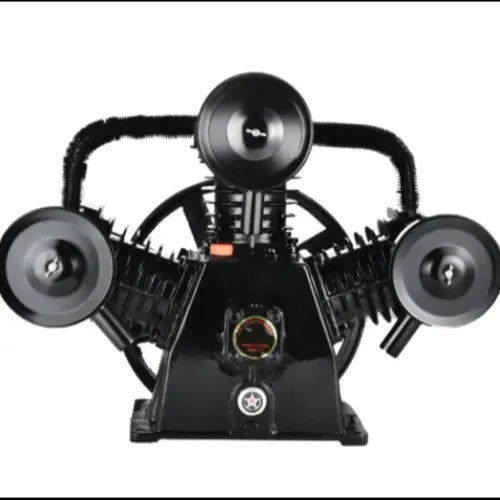
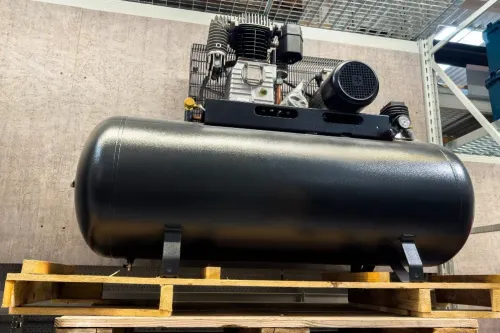
That characteristic distinguishes rotary screw technology from reciprocating compressors, where compression occurs through repeated piston movements.
Why Industries Choose Rotary Screw Technology
Continuous operation is one of the main reasons factories consider this compressor design.
Other practical advantages can include:
- Consistent airflow for production equipment
- Suitability for long operating hours
- Reduced pulsation in compressed-air delivery
- Compact capacity relative to many industrial applications
- Integration with dryers, receivers and filtration equipment
- Availability of fixed-speed and variable-speed configurations
However, compressor technology should always match actual demand.
A workshop using air intermittently may have different requirements from a production facility operating pneumatic machinery throughout multiple shifts.
What Should Be Checked Before Selection?
Start by determining required airflow in CFM or another appropriate flow measurement. Next, identify the operating pressure required by the equipment located furthest from the compressor.
Plant teams should also consider pressure losses through filters, dryers and piping.
The installation environment matters as well. Compressors generate heat, making adequate ventilation important. Dusty industrial surroundings may also increase filtration and maintenance requirements.
In Ghaziabad's diverse industrial environment, two factories of similar size can have completely different compressed-air profiles. A metal fabrication facility, for example, may use compressed air differently from a packaging or component-manufacturing unit.
Think Beyond the Compressor
The compressor is only one component of a complete compressed-air system.
Air receivers help manage demand fluctuations. Dryers remove moisture. Filters improve air quality. Correctly sized piping reduces unnecessary pressure losses.
Routine maintenance also affects long-term reliability.
Moto Compressor works with industrial users to evaluate compressor capacity and supporting system requirements based on actual applications rather than relying solely on equipment ratings.
For Ghaziabad businesses evaluating rotary screw technology, the most useful starting point is a clear understanding of airflow, pressure, operating hours and air-quality requirements. Matching those factors correctly can create a compressed-air system that supports production consistently while avoiding unnecessary capacity and energy use.
Keywords